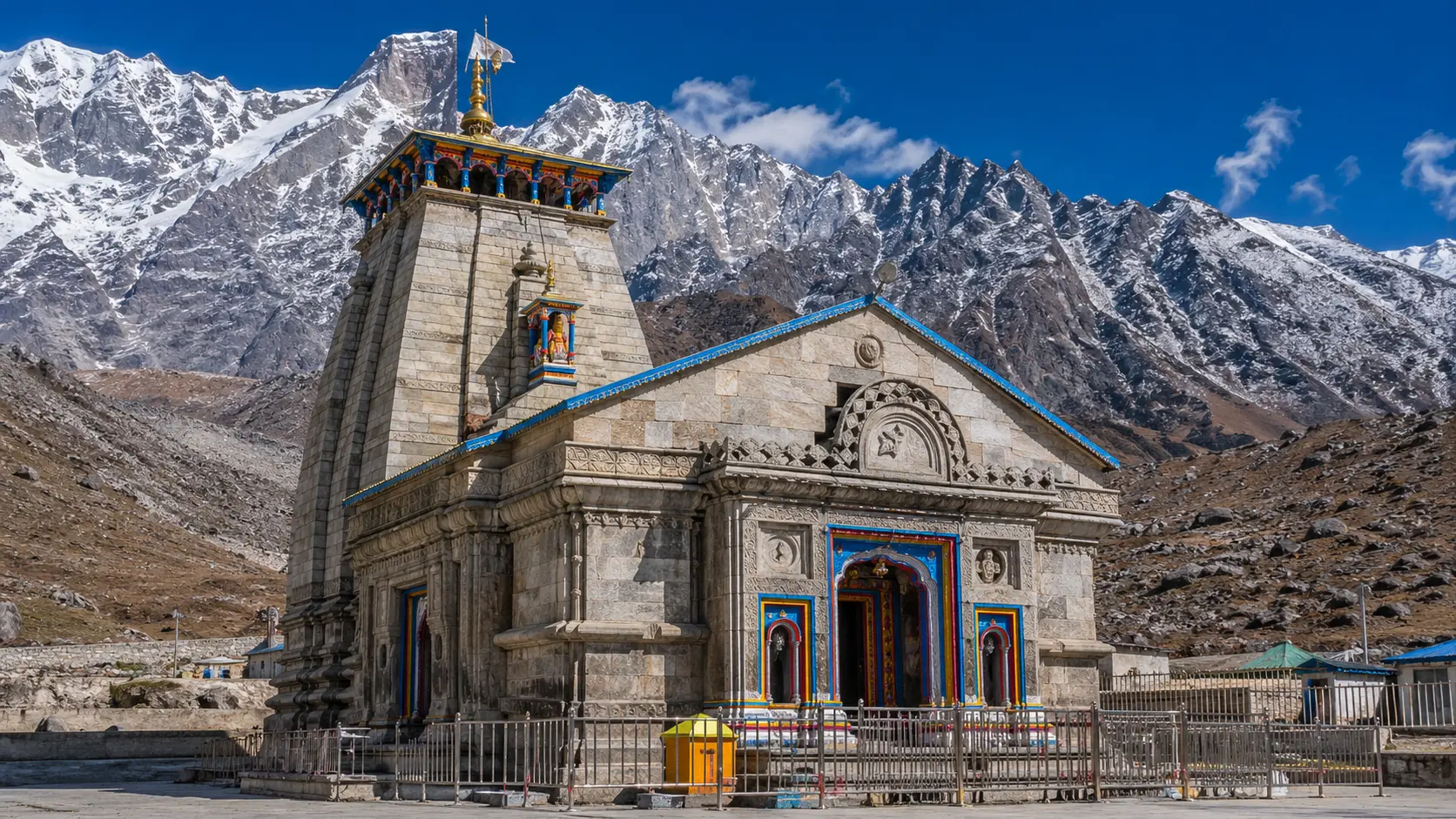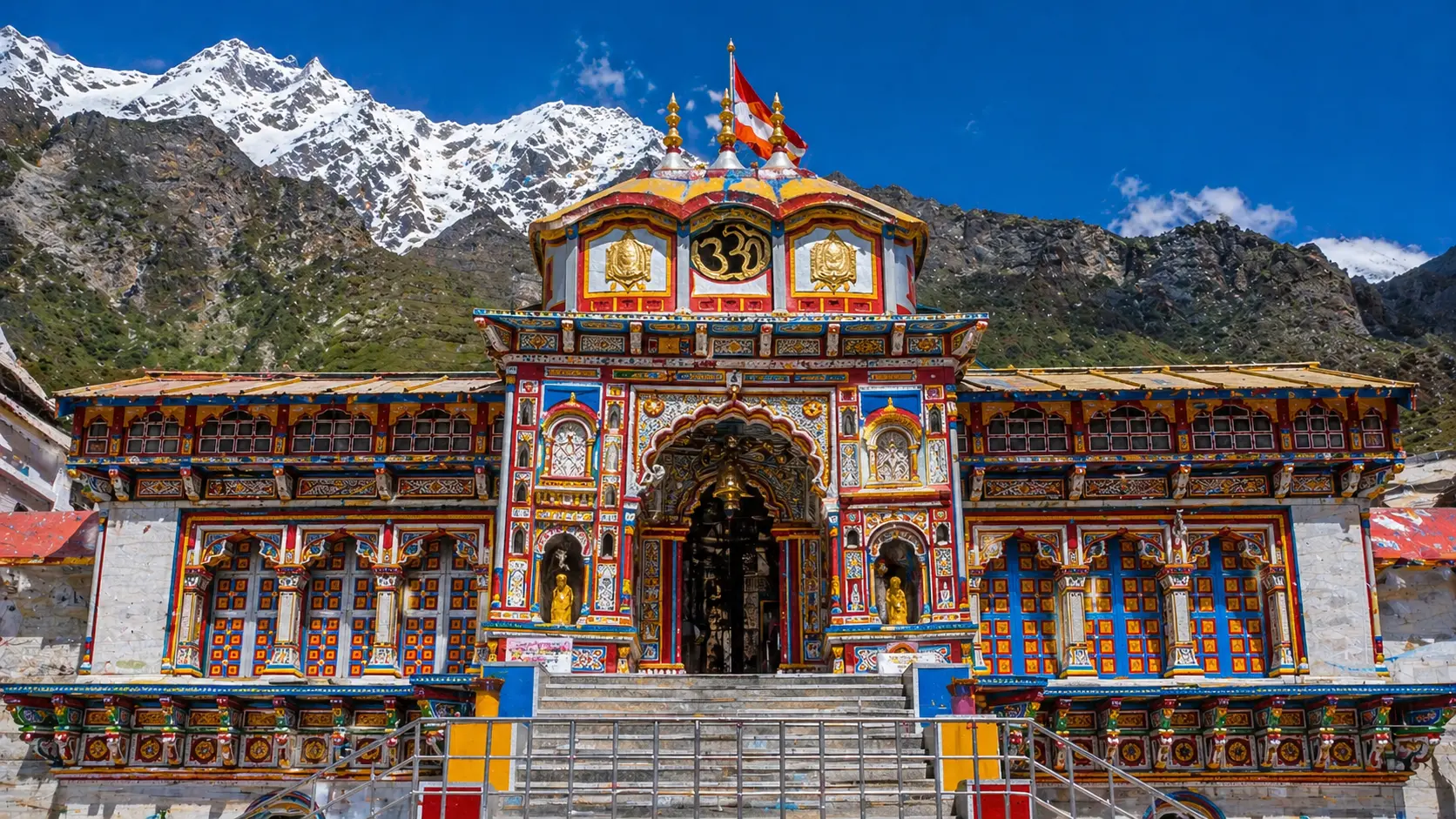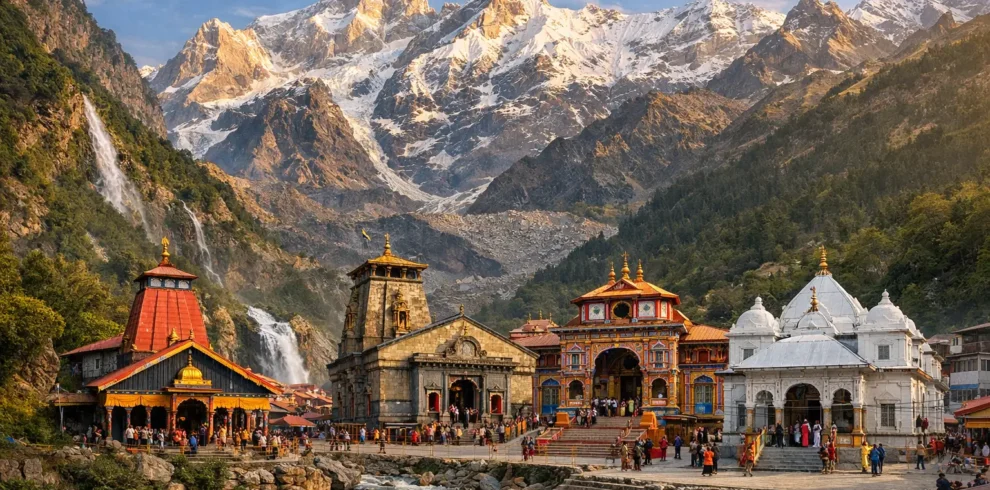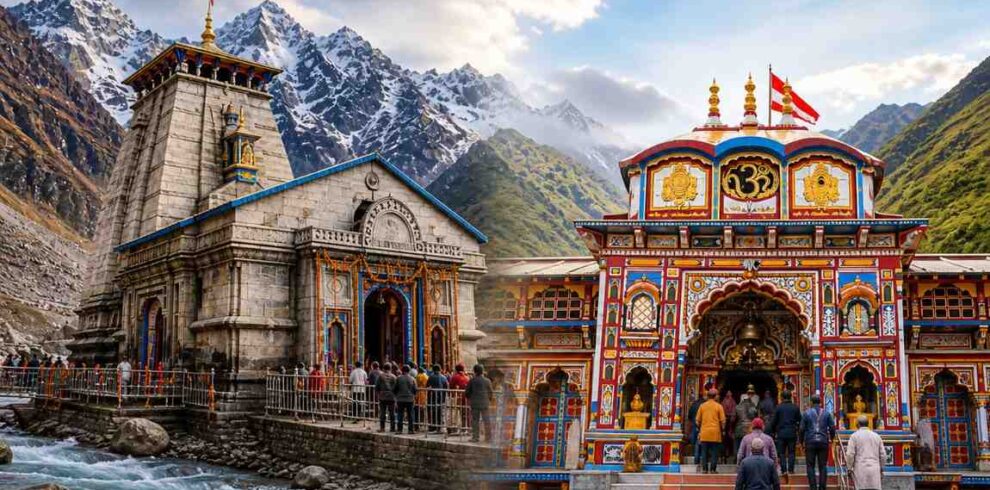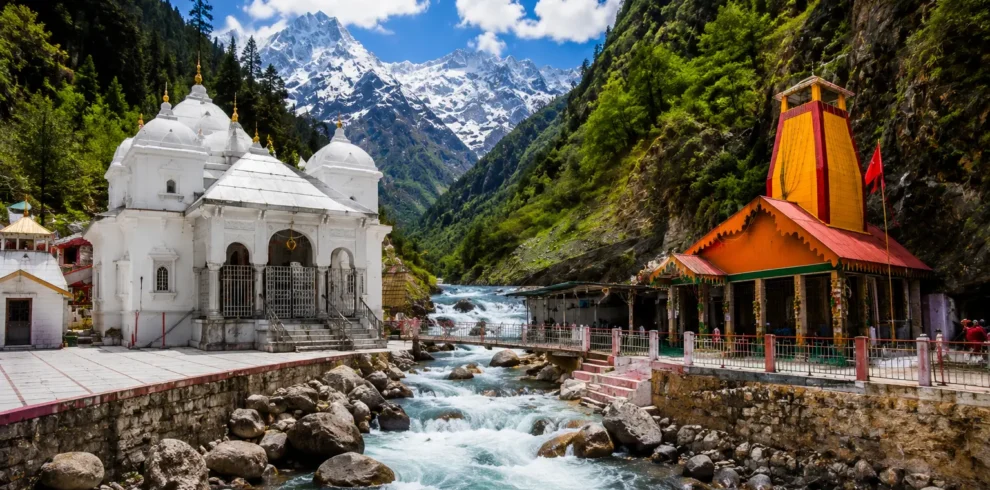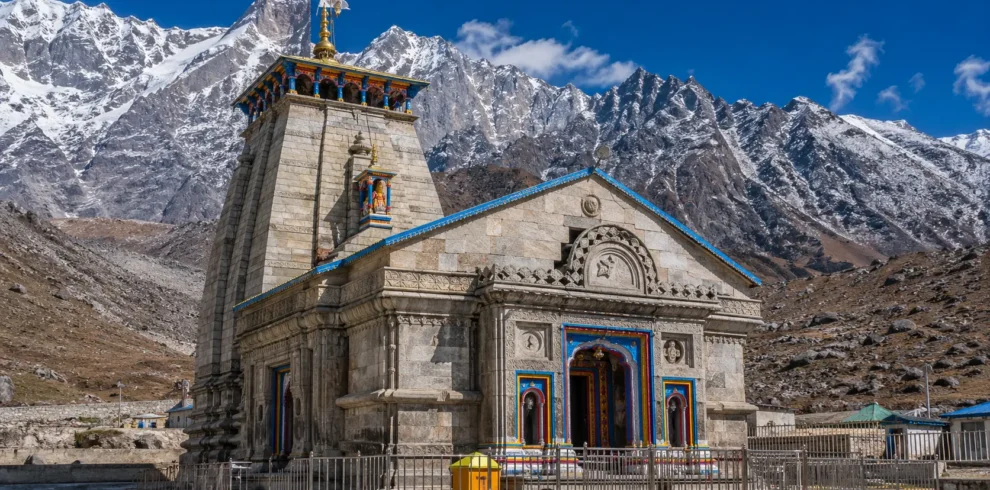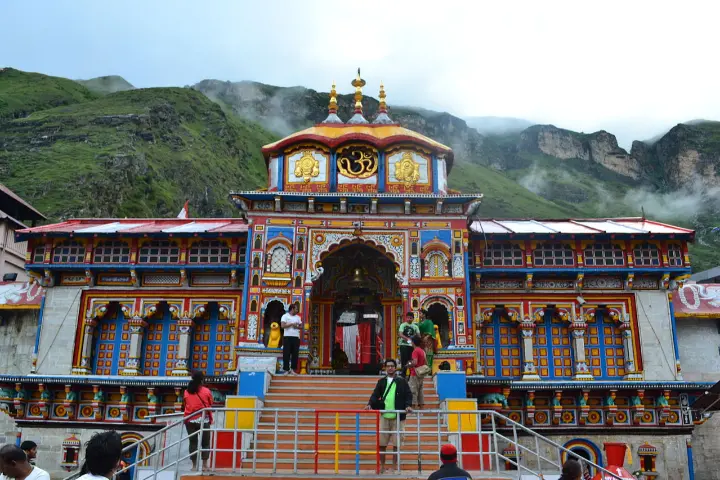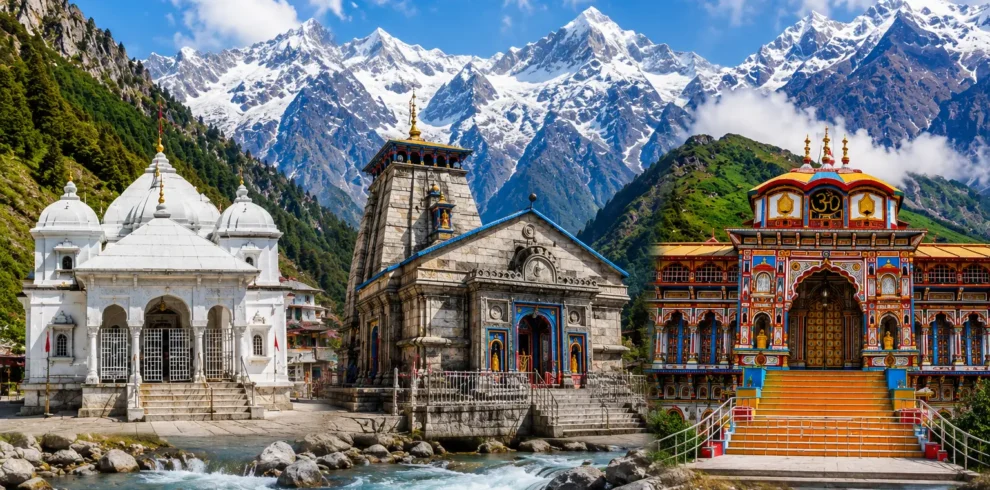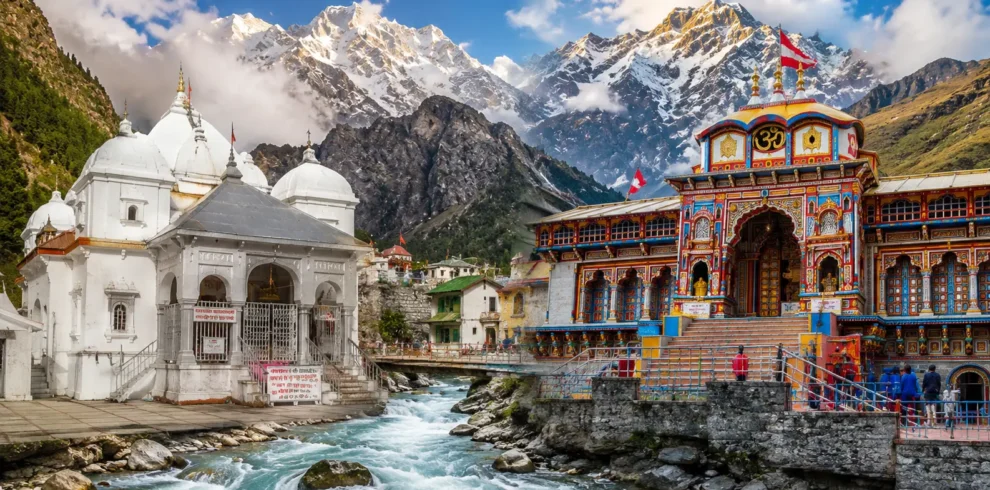
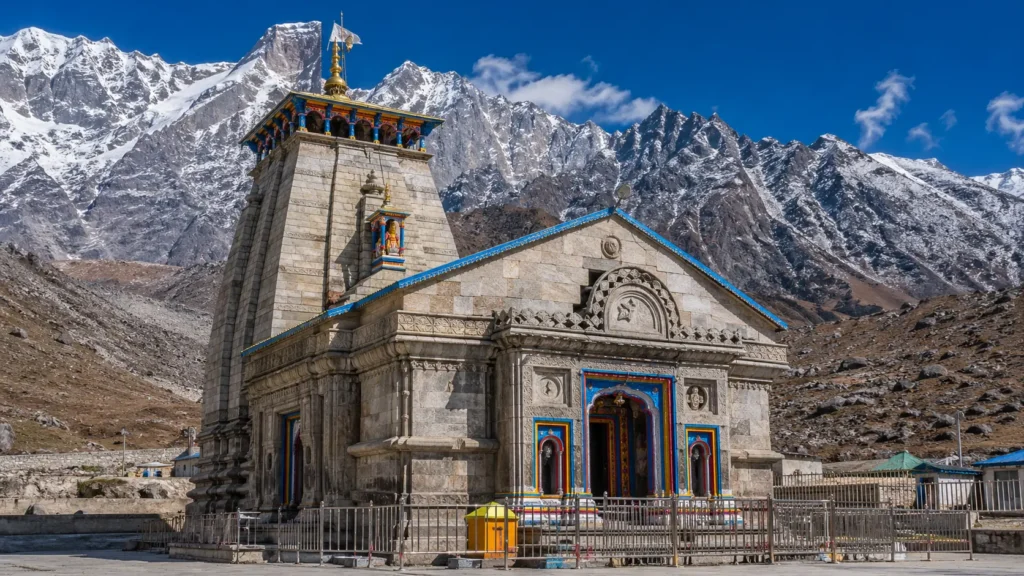
Kedarnath temple is a much revered destination in terms of a place of worship in the Hindu religion in the Rudraprayag district of Uttarakhand state of India. Some beautiful mountain ranges of Garhwal surround the Kedarnath temple, which has been located at an elevation of 3,583 meters from the mean sea level. The Kedarnath Temple is close to the Mandakini river and is the most favorite destination for pilgrims during their journey in the Do Dham Yatra Kedarnath Badrinath trip.
Kedarnath temple is one of the important temples for the followers of the Hindu religion and pilgrims usually visit this temple to get blessings from God in order to cleanse all their sins from their soul. Here, pilgrims get to feel their divinity as well as spirituality.
It is possible for one to find the Kedarnath temple among the 12 Jyotirlingas of Lord Shiva. As per Hindu mythology, it should be noted that Jyotirlinga holds great power since they are believed to be the places from where Lord Shiva appeared in the shape of a flame.
Mythology of Kedarnath Temple
Connection with the Mahabharata War
The mythology of the temple Kedarnath comes from the very old tale of India called Mahabharatha. Pandavas needed penance since they were sinners based on what they did in Kurukshetra.
Pandavas and God Shiva
Pandavas desired to reach Himalayas in order to meet with God Shiva, who could not receive Pandavas in that moment and disappeared from them to reach Kedarnath.
Why did God Shiva Have the Shape of a Bull?
To run away from Pandavas, God Shiva turned into a bull, named Nandi. He tried to hide himself under the ground, which resulted in finding his body parts under the soil. Hence, five temples were formed called Panch Kedar Temple.
Kedarnath Jyotirlinga Mythology
God Shiva’s buttocks were found at Kedarnath, hence he became Jyotirlinga.
History of Kedarnath Temple
Role of Adi Shankaracharya in Kedarnath
The construction of the Kedarnath temple was conducted by Adi Shankaracharya in the eighth century AD. Adi Shankaracharya constructed the temple and revived the practice of pilgrimage to the Himalayas.
The History of Ancient Period and Date
According to legends, the history of the Kedarnath temple dates back for about a thousand years. At that time, the temple became popular due to the work of various ascetics within its walls.
Kedarnath Temple in the Medieval Period
Despite numerous changes that happened during the time when pilgrim movements and administration were performed depending on the climate of the Himalayan region, nothing changed concerning the temple itself.
Kedarnath Temple After the Uttarakhand Floods in 2013
During the year 2013, the region of the Kedarnath temple faced serious floods. Nevertheless, due to the presence of the large rock protecting the temple from being flooded, the temple did not suffer.
Architecture of Kedarnath Temple
Who Built Kedarnath Temple?
It is said that the construction of the original temple was done by the Pandavas, whereas the subsequent renovation was done by Adi Shankaracharya and various regional kings.
Stone Building and Architectural Style
Kedarnath temple is made from huge stone slabs arranged in such a manner that modern-day cement has not been used for bonding them.
Design of the Temple to Endure Extreme Conditions
The structure has been designed to cope with low temperature, snow, and rains. A strong stone base has enabled it to stand against extreme climatic conditions over several centuries.
Special Characteristics of the Temple Structure
The temple includes a large assembly hall, beautifully carved stone walls, and the shrine which houses the Shiv Linga. The scenic beauty of the snow-clad hills adds to the spirituality of the place.
Kedarnath Yatra Guide
Best Time to Visit Kedarnath
As per the guidelines provided, pilgrims could take up pilgrimages to Kedarnath during the months of May to June and September to October since both the months would have been most appropriate for pilgrimages to the sacred destination.
Transportation
Jolly Grant Airport located close to Dehradun happens to be the nearest airport from where tourists could access their destination, Kedarnath. The other transportation means would be that of using the nearest railway station which is known as Rishikesh Railway Station. Apart from the above methods of transportation, tourists could use road transportation to access the other destination which is Gaurikund.
Distance Between Gaurikund and Kedarnath
It will take 16 to 18 kilometers of walking to cover the distance between the two destinations.
Procedure of Registration Before Kedarnath Yatra
It is mandatory for pilgrims to get registered before beginning their yatra. For the purpose, one can either register via the internet or through physical registration counters of Uttarakhand.
Kedarnath Helicopter Services
Helicopters operate from Phata, Guptkashi, and Sirsi for pilgrims wanting to avail of an easy journey. Such facilities have been opted by many pilgrims in the pilgrim tour packages provided by Dinu Travels.
Kedarnath Trek Guide
Distance and Difficulty of the Trek
The trek to Kedarnath is moderate in its difficulty, and hence a person should have a good body build. People who are older in age could utilize the help of ponies, palkees, and helicopters to reach Kedarnath.
Items that Should be Taken Along
One should carry warm clothing, raincoats, trekking shoes, medicines, identity proofs, and high-calorie foods.
Tips to Stay Fit and Prepared
It is necessary to prepare oneself physically by doing some exercises. One should drink plenty of water.
Important Travel Tips for Kedarnath Yatra
Do’s and Don’ts
Temple Rules should be obeyed strictly and one must not litter the place. It is also essential to take into account the cultural background of the locals.
Weather Report and Travel Suggestions
Experience has shown that the climate at Kedarnath is quite unpredictable. Weather should always be taken into consideration before making arrangements to travel; do not travel anywhere where it rains or landslides occur.
Accommodation Facilities
There are several accommodations in Kedarnath in the form of hotels, tent accommodation, guest house and Dharamshala. Kedarnath Badrinath Tour bookings are recommended.
Nearby Places to Visit
Bhairavnath Temple
Located near Kedarnath Temple, Bhairavnath Temple is dedicated to Lord Bhairav, believed to protect the region during winter.
Vasuki Tal
Vasuki Tal is a beautiful high-altitude lake surrounded by snow-capped peaks and attracts trekking enthusiasts.
Gaurikund
Gaurikund is the base camp for the Kedarnath trek and is associated with Goddess Parvati.
Conclusion
Kedarnath Temple is an ideal combination of spirituality, mythological stories, history, and nature. Irrespective of your decision regarding whether to go for a Char Dham Yatra package or a holy Do Dham Yatra Kedarnath Badrinath tour package, you will be sure to have a life-changing spiritual experience during your pilgrimage tour to Kedarnath. Through our carefully designed pilgrimage tour packages, devotees are sure to have an unforgettable experience.